
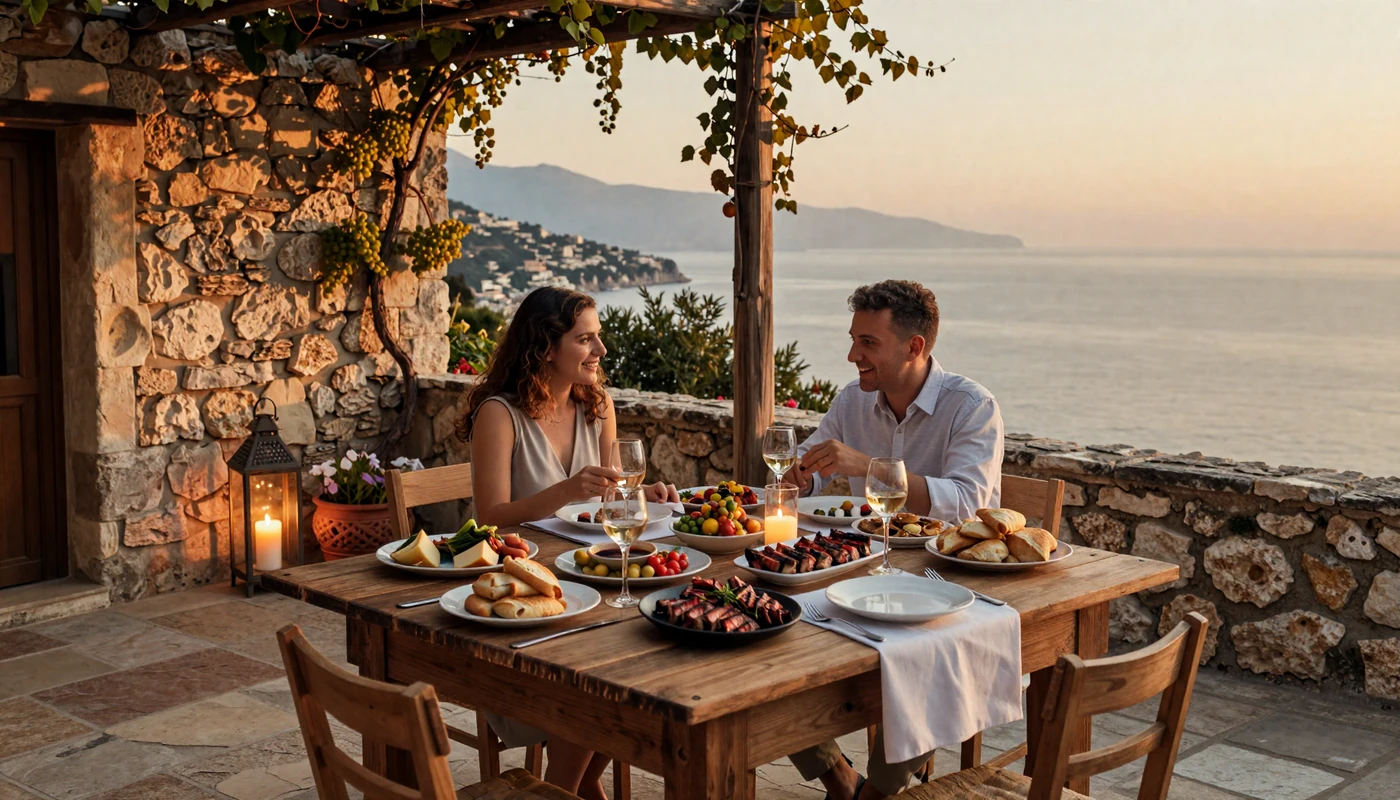
Food is the fastest shortcut to a Balkan woman's heart. Across every nation in the region - from Albania's Mediterranean coast to the mountain villages of Montenegro - the dinner table is where families bond, relationships deepen, and love is expressed without saying a single word. If you're dating a woman through a Balkan women dating platform and want to show her that you understand her world, start with what's on the plate. Balkan cuisine is rich, intensely flavorful, and rooted in centuries of cross-cultural exchange between Ottoman, Mediterranean, and Slavic traditions. Learning to cook even one signature dish tells her you respect where she comes from - and that's far more attractive than any expensive gift.
The peculiar location of the Balkan Peninsula and its long, eventful history with neighboring empires made Balkan cuisine incredibly diverse, with visible influences of Greek, Turkish, and Italian cuisines layered over strong Slavic culinary traditions. Whether you're planning a video-call date night with a home-cooked meal or preparing to host her family for the first time, mastering a few Balkan dishes will earn you genuine admiration. This guide covers the iconic dishes you need to know, practical recipes you can make at home, and romantic date night ideas built around Balkan food culture.
Iconic Balkan Dishes That Will Win Her Heart
Every Balkan country has its national pride dishes - and knowing the difference between a Serbian and a Bosnian approach to the same recipe shows cultural awareness that women genuinely appreciate. Here are the essential dishes every man dating a Balkan woman should know.
Ćevapi - The Grilled Soul of the Balkans
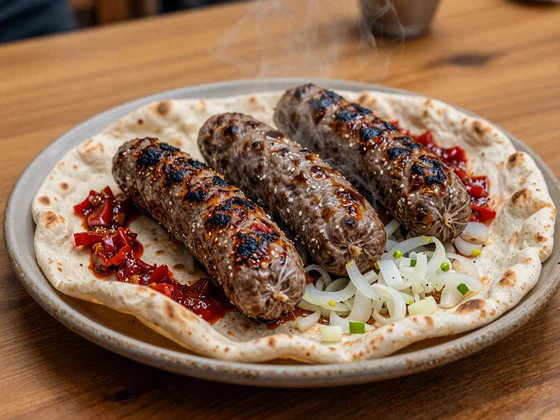
Ćevapi (pronounced "cheh-VAH-pee") are small, hand-rolled skinless sausages made from a blend of beef and lamb, seasoned with garlic, salt, pepper, and sometimes a touch of baking soda for fluffiness. Served in warm lepinja flatbread with raw onions and kajmak (a creamy dairy spread) or ajvar (roasted red pepper relish), they're the quintessential Balkan comfort food. In Bosnia, ćevapi are served in portions of 5 or 10 inside a pocket of somun bread. In Serbia, they're slightly larger and often served on a plate. If you're dating a Croatian woman, she'll likely know a Dalmatian variation that's lighter on the garlic and served with a side salad.
Why it matters: Ćevapi is the ultimate social food. Families gather around it at weekend barbecues, and offering to grill ćevapi shows initiative and a hands-on spirit that Balkan women love in a man.
Burek - Flaky, Savory, Controversial
Burek is a layered phyllo pastry filled with meat (the traditional version), cheese (sirnica), spinach (zeljanica), or potato (krompiruša). In Bosnia, the word "burek" specifically means the meat version - calling a cheese pastry "burek" will earn you a correction and a laugh. Bosnians take this very seriously, and your willingness to learn the distinction is a surprisingly effective conversation starter. Burek is eaten for breakfast, lunch, or as a late-night snack, always paired with plain yogurt on the side.
Sarma - Rolled Cabbage, Wrapped in Love
Sarma consists of seasoned ground meat and rice wrapped in fermented cabbage leaves, slow-cooked for hours until the flavors meld into a savory, comforting masterpiece. It's the centerpiece of winter holidays and family celebrations across Serbia, Croatia, Bosnia, and North Macedonia. Macedonian women, whose culinary talents are legendary across the region, often prepare sarma with a subtle smokiness from adding dried meat or smoked ribs to the pot. Making sarma together is one of the most intimate date night activities - the rolling process requires patience and teamwork, and the hours of slow cooking give you plenty of time to enjoy each other's company.
Ajvar - The Balkan Ketchup
Ajvar is a roasted red pepper and eggplant spread that every Balkan household produces in massive batches each autumn during the ritualistic ajvar-making season. It's spreadable, versatile, and deeply symbolic - families spend entire weekends together roasting, peeling, and jarring hundreds of peppers. Buying a jar of quality ajvar from an international grocery store (or making it from scratch) and serving it with bread and cheese during a video date shows genuine cultural effort.
Baklava - The Sweet Finale
Baklava in the Balkans differs from the Middle Eastern version - it's typically made with walnuts instead of pistachios and drenched in sugar syrup (šerbe) rather than honey. Bosnian and Albanian baklava tends to be sweeter and more heavily soaked, while Croatian and Slovenian versions are more restrained. Serving baklava after a home-cooked Balkan meal is the perfect ending that shows you understand the full arc of a Balkan dinner.
Rakija - The Toast That Seals the Bond
Rakija is the Balkans' beloved fruit brandy - typically distilled from plums (šljivovica), grapes (lozovača), or pears (viljamovka). No Balkan gathering starts without a shot of rakija and a toast: "Živeli!" (Serbian/Croatian for "Cheers!") or "Gëzuar!" (Albanian). Learning to toast properly - looking her in the eyes, clinking glasses - is a small gesture that resonates deeply. Just remember: rakija is typically 40-60% alcohol, so pace yourself.
"In the Balkans, cooking for someone is the purest form of love. When an American man learns to make ćevapi or rolls sarma with her grandmother, he becomes family."
Essential Balkan Dishes at a Glance
- Ćevapi - Grilled minced meat sausages, the Balkans' favorite street food
- Burek - Flaky phyllo pastry with meat, cheese, or spinach filling
- Sarma - Cabbage rolls stuffed with seasoned meat and rice
- Ajvar - Smoky roasted red pepper and eggplant spread
- Pljeskavica - Balkan-style oversized hamburger patty, Serbia's national dish
- Shopska Salad - Fresh tomatoes, cucumbers, onions, and white cheese - Macedonian staple
- Baklava - Layered walnut phyllo pastry soaked in sugar syrup
- Rakija - Fruit brandy served as a welcome toast
- Bosanski Lonac - Bosnian layered meat and vegetable stew
- Ćufte - Balkan meatballs with onion and parsley, pan-fried or baked
Why Cooking Together Builds the Strongest Bonds
In Balkan culture, the kitchen is the emotional center of the home. It's where grandmothers pass recipes to daughters, where holiday traditions are kept alive, and where couples build their first shared rituals. Cooking together isn't just a date night activity - it's a statement of partnership that Balkan women value deeply.
Research from the Gottman Institute confirms that couples who engage in collaborative activities like cooking report 31% higher relationship satisfaction than those who primarily consume passive entertainment together. When you add the cultural dimension - an American man learning to roll burek dough with his Macedonian girlfriend, or a Croatian woman teaching her partner to prepare fresh seafood brudet - the bonding intensifies because you're each stepping into the other's world.
Balkan women, particularly those from North Macedonia, take enormous pride in their culinary skills. Macedonian cuisine is incredibly diverse with visible Greek, Turkish, and Italian influences, and most Macedonian women - even those who work full time - keep their weekday meals nutritious but simple, saving their true culinary talents for weekends and special occasions. Showing genuine interest in learning her family recipes is one of the most powerful ways to demonstrate long-term commitment.
Date Night Ideas Built Around Balkan Food
- Video-call cooking date: Choose the same recipe, shop separately, and cook together over video chat across the time zones
- Balkan restaurant exploration: If you live in a major U.S. city (New York, Chicago, Houston, Los Angeles), find authentic Balkan restaurants and take photos to share with her
- Ajvar-making marathon: Spend a Saturday afternoon roasting peppers together - it mimics the communal autumn tradition her family practices
- Rakija tasting flight: Order a selection of plum, grape, and pear rakija online and do a tasting together, sharing notes and stories
- Homemade baklava challenge: Compete to see who can roll the thinnest phyllo dough - she'll win, but the effort will charm her
Regional Food Differences Every Man Should Know
The Balkans aren't a monolith, and neither is the food. Understanding the regional differences in cuisine shows cultural sensitivity that sets you apart from men who lump all Balkan countries together. Here's a quick breakdown:
Serbian cuisine is hearty and meat-heavy - think slow-roasted lamb, grilled pljeskavica, and kajmak with everything. Belgrade's restaurant scene revolves around kafana-style taverns with live music and enormous portions.
Croatian cuisine splits between the continental interior (heavier stews and roasts) and the Dalmatian coast (fresh seafood, olive oil, and Mediterranean herbs). A Croatian woman from Split will have a completely different food identity than one from Zagreb.
Bosnian cuisine carries the strongest Ottoman influence - börek, ćevapi, and slow-cooked stews in clay pots. Coffee culture is sacred, with Bosnian coffee (similar to Turkish coffee) served in traditional džezva pots as a ritual of hospitality.
Albanian cuisine blends Mediterranean freshness with mountain heartiness. Expect lots of lamb, fresh vegetables, feta-like cheese, and strong espresso culture. The coastal regions of Vlora and Saranda feature outstanding seafood.
Slovenian cuisine reflects Central European influences - think štruklji (rolled dumplings), potica (nut roll), and excellent wine from the Goriška region. Ljubljana has one of Europe's best farm-to-table dining scenes.
Macedonian cuisine is arguably the most diverse, blending Mediterranean lightness with Ottoman richness. Tavče gravče (baked beans), pastrmajlija (meat-topped bread), and Ohrid trout are national treasures.
Montenegrin cuisine combines coastal seafood traditions with mountain meat dishes. Njeguški steak (stuffed with prosciutto and cheese) and priganice (fried dough) are local favorites.


