
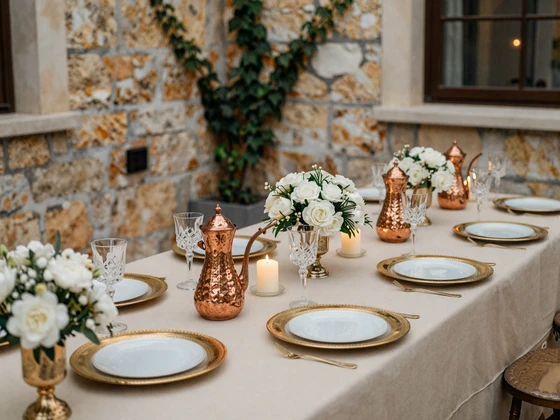
Marrying a Balkan woman means marrying into her culture - and that culture has some of the most vibrant, emotionally rich wedding traditions in all of Europe. The engagement process alone can involve multiple family visits, formal requests, and rituals that date back centuries. Bosnian marriage reflects the country's complex religious tapestry, where Muslims, Orthodox Christians, and Catholics coexist, with each tradition shaping how families celebrate love. If you're preparing to propose to a woman you met through Balkan women dating, understanding these customs isn't optional - it's the foundation of a successful marriage.
American men who take the time to learn Balkan wedding traditions earn deep respect from their partners and families. These rituals aren't mere formalities. They're expressions of honor, community, and the belief that marriage is a bond between two families - not just two individuals. Whether your partner is from Sarajevo, Belgrade, Tirana, or Zagreb, the specific customs may vary, but the underlying message is universal: respect her heritage, and she'll give you her whole heart.
This guide walks you through the essential wedding traditions across all seven Balkan nations, giving you the cultural intelligence to propose with confidence, plan a ceremony that honors her roots, and start your marriage on the strongest possible foundation.
Wedding Traditions Across the Balkans
Every Balkan nation celebrates marriage differently, yet all share a deep reverence for family involvement, ceremonial rituals, and multi-day celebrations that make American weddings look restrained by comparison. The table below provides a quick comparison of the most important wedding customs across all seven nations.
| Custom | Albania | Serbia | Bosnia | Croatia | Slovenia | N. Macedonia | Montenegro |
|---|---|---|---|---|---|---|---|
| Engagement Ritual | Father's formal visit | Prošnja (asking hand) | Groom's family visit | Family dinner proposal | Informal, modern | Formal elder request | Father or uncle asks |
| Ceremony Type | Civil + religious mix | Orthodox church | Religious + civil | Catholic church | Civil or Catholic | Orthodox church | Orthodox or civil |
| Key Tradition | Summer wedding season | Kum (best man role) | Svadba multi-day | Removing bride's veil | Tree planting ritual | Church blessing | Barjak flag ceremony |
| Celebration Duration | 2-3 days | 2 days typical | 2-3 days | 1-2 days | 1 day typical | 1-2 days | 2-3 days |
| Family Involvement | Entire clan attends | 200-400 guests | Multi-faith families | Both families plan | Smaller, intimate | Extended family central | Village-wide events |
| Gift Custom | Gold and money | Cash gifts (koverta) | Gold, cash, household | Cash in envelope | Cash or registry | Gold coins, cash | Cash and gold jewelry |
As this comparison shows, Balkan weddings share a common thread: they're community events where extended families play starring roles, celebrations last well beyond a single evening, and financial gifts - typically cash or gold - hold far more cultural significance than a department store registry. Understanding these distinctions will prepare you for the celebration of a lifetime.
Country by Country: Honoring Her Heritage
Bosnian Svadba - A Multi-Day Celebration of Love
The Bosnian svadba (wedding) is arguably the most immersive wedding experience in the Balkans. The engagement process is an essential part of Bosnian marriage, characterized by a series of rituals. The groom's family traditionally visits the bride's family to ask for her hand in marriage, usually done by the groom's father or an older male relative. This initial visit sets the tone for the entire relationship between the two families - arriving with gifts, showing deference to her parents, and presenting yourself as a worthy partner.
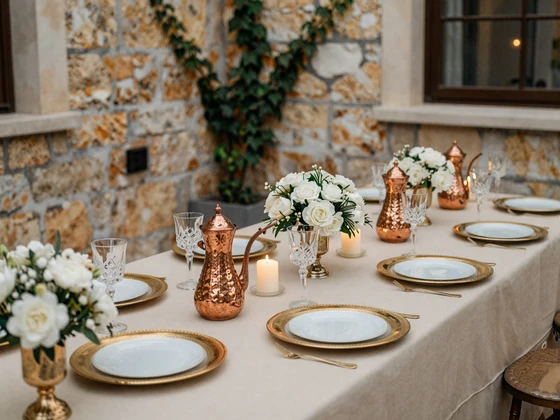
The svadba itself is a joyful reception event that can last for several days. The first day is usually dedicated to religious traditions and rituals - whether Islamic, Orthodox, or Catholic depending on the family's faith. The second day belongs to the reception: feasting, folk music, traditional kolo dancing, and emotional toasts that bring guests to tears and laughter in equal measure. Non-religious weddings typically condense into a single unforgettable day.
If you're marrying a Bosnian woman, expect a celebration that reflects her family's unique religious background. Bosnia and Herzegovina is a country where Muslims, Orthodox Christians, and Catholics coexist, and this diversity is beautifully reflected in wedding customs. Embracing her specific traditions - whether that means participating in a mosque ceremony, an Orthodox church blessing, or a Catholic mass - demonstrates the cultural respect that Bosnian families value above all else.
Serbian Wedding Rituals - The Sacred Role of the Kum
Serbian weddings revolve around two central figures beyond the couple: the kum (best man/godfather) and the stari svat (master of ceremonies). The kum holds a position of enormous honor in Serbian culture - he blesses the couple, holds the wedding crowns during the Orthodox ceremony, and is often expected to serve as godfather to the couple's first child. Choosing a kum is one of the most important decisions a Serbian couple makes, as this relationship extends across generations.
The wedding day begins with the groom's party arriving at the bride's home to "collect" her - a ritual filled with playful negotiations, mock barriers set up by the bride's friends and family, and the exchange of symbolic gifts before the bride is released. Traditional Serbian folk music, featuring live bands playing brass instruments (truba), accompanies the procession from the bride's home to the church, creating an atmosphere of pure joy that's impossible not to get swept up in.
- Prošnja: The formal proposal where the groom's family visits the bride's family - bring rakija and flowers
- Kum's duties: Holding wedding crowns, blessing the couple, serving as first child's godfather
- Bride collection: Playful negotiation at bride's door with mock barriers and gifts
- Koverta: Cash gifts presented in envelopes, typically covering the guest's plate and more
- Kolo dance: Traditional circle dance where the entire wedding party joins hands
Albanian Summer Wedding Season - When Love Takes Center Stage
In Albanian culture, summer is the season for weddings. Celebrations stack up from June to September, transforming cities like Tirana and Durrës into one continuous party. Even the most secular Albanians participate fully in wedding season - dressing up, calling family, and celebrating love with an intensity that makes American weddings feel understated. The cultural significance of attending and contributing to weddings cannot be overstated: it's not just about the couple, it's about showing up season after season for something real.
Albanian engagement customs are deeply formal. The groom's father or eldest male relative visits the bride's family to formally request the marriage - a ritual rooted in the Albanian honor code of besa. This isn't a casual ask. It's a negotiation between families, a demonstration of worthiness, and a pledge that the groom's family will honor and protect the bride. The bride's family prepares an elaborate sofra (feast table) for this visit, and rejecting the request - while rare in modern times - still carries significant social weight.
Albanian weddings themselves feature massive guest lists (300+ is standard), live music with traditional instruments like the çifteli, and elaborate multi-course feasts. Gold jewelry is the traditional wedding gift, symbolizing prosperity and family honor.
Croatian Family Involvement - Everyone Has a Role
Croatian weddings are deeply family-centered events where both the bride's and groom's families actively collaborate on planning. The Catholic church ceremony is the cornerstone - most Croatian couples marry in the church regardless of their daily religiosity, because it carries generational significance. One of the most emotional traditions is the removal of the bride's veil at midnight, symbolizing her transition from single woman to wife, performed by the maid of honor while guests sing traditional songs.
As an American man marrying a Croatian woman, the strongest move you can make is involving her family in the planning process from day one. Croatian parents don't just attend the wedding - they co-create it. The father of the bride typically hosts a pre-wedding dinner for both families, and the kuma (maid of honor) plays a ceremonial role nearly as significant as the Serbian kum. The key insight: in Croatia, your marriage proposal is really a proposal to join her family, not just to her as an individual.
Macedonian Church Ceremonies - Faith Meets Tradition
Most Macedonian women practice religion - both Islam and Christianity are very popular in the country. For Orthodox Macedonian families, the church ceremony is the emotional pinnacle of the wedding day. The priest crowns the couple (similar to Serbian Orthodox tradition), and the ceremony is filled with hymns, incense, and symbolic rituals representing unity and devotion. Can you believe that less than 2 percent of Macedonian women cohabit with their partners before marriage? This statistic reflects the deep cultural expectation that marriage is the proper gateway to a shared life.
Macedonian wedding celebrations feature traditional folk dancing, live zurla and tapan music, and a feast centered on homemade specialties. The mother of the bride prepares traditional breads and pastries that carry symbolic meaning - breaking bread together represents the couple's commitment to sharing everything. Extended family from across the country and diaspora travel great distances to attend, making Macedonian weddings true family reunions.
Montenegrin and Slovenian Wedding Customs
In Montenegro, the barjak (wedding flag) ceremony is the signature tradition. The groom's party raises a decorated flag at the start of the wedding day, signaling to the entire community that a celebration is underway. Montenegrin weddings are village-wide events - neighbors, extended family, and even distant acquaintances join the celebration, which can span two to three days of feasting, traditional music, and dancing. The connection between families is paramount, and the bride's family assesses the groom not just on his character, but on the honor and reputation of his entire clan.
Slovenian weddings, by contrast, tend to be smaller and more intimate, reflecting the country's European sensibility. A unique tradition is the tree planting ceremony, where the couple plants a linden tree together, symbolizing the roots they'll grow as a family. Slovenian receptions are elegant but warm, often featuring local wine from the Štajerska or Primorska regions and a potica (walnut roll) that the bride's grandmother typically prepares.
How to Honor Her Heritage in Your Proposal
Understanding these traditions is one thing - incorporating them into your proposal and wedding planning is what truly wins a Balkan woman's heart. Here's how American men can bridge the cultural gap:
- Ask her father first: Across all Balkan nations, seeking her father's blessing before proposing is not just traditional - it's deeply expected. Even modern, independent Balkan women appreciate this gesture of respect toward her family.
- Learn basic phrases: Saying "volim te" (Serbian/Croatian/Bosnian for "I love you"), "të dua" (Albanian), or "te ljubim" (Slovenian) during your proposal adds emotional weight that transcends language.
- Incorporate her traditions: If she's Bosnian, consider incorporating a traditional coffee ceremony into your engagement celebration. If she's Serbian, involve a trusted friend as a symbolic kum from day one.
- Involve her family: Plan an engagement celebration that includes her parents and siblings - isolation from family during major life moments is culturally inappropriate across the Balkans.
- Gift gold, not just a ring: In Albanian, Macedonian, and Montenegrin cultures, gold jewelry from the groom's family is a traditional engagement gift alongside the ring. Consider a gold bracelet or necklace as an additional gesture.
- Respect her religious customs: Whether she's Orthodox, Catholic, or Muslim, express willingness to participate in religious ceremonies even if you don't share her faith. This signals respect, not conversion.
Embrace Her Traditions - Build Your Future Together
Balkan wedding traditions are among the most meaningful, community-centered celebrations in the world. Whether you're dancing the kolo at a Serbian svadba, watching the barjak rise at a Montenegrin village celebration, or sharing Bosnian coffee with your future in-laws, these moments create bonds that American-style weddings rarely achieve. The traditions exist not to complicate your path to marriage, but to strengthen it - and every Balkan woman notices when her partner embraces them willingly.
The men who succeed in Balkan women dating and eventually marriage are the ones who approach cultural differences with curiosity rather than resistance. Your willingness to learn her traditions, involve her family, and celebrate her heritage won't just make your wedding unforgettable - it will set the tone for a marriage built on mutual respect, deep love, and cultural pride that you'll both pass down to your children.
Start your journey today. Explore verified profiles of Bosnian women, Macedonian women, and women from every Balkan nation on our platform. The woman who'll teach you her family's wedding traditions is waiting for a man who's ready to learn.


