
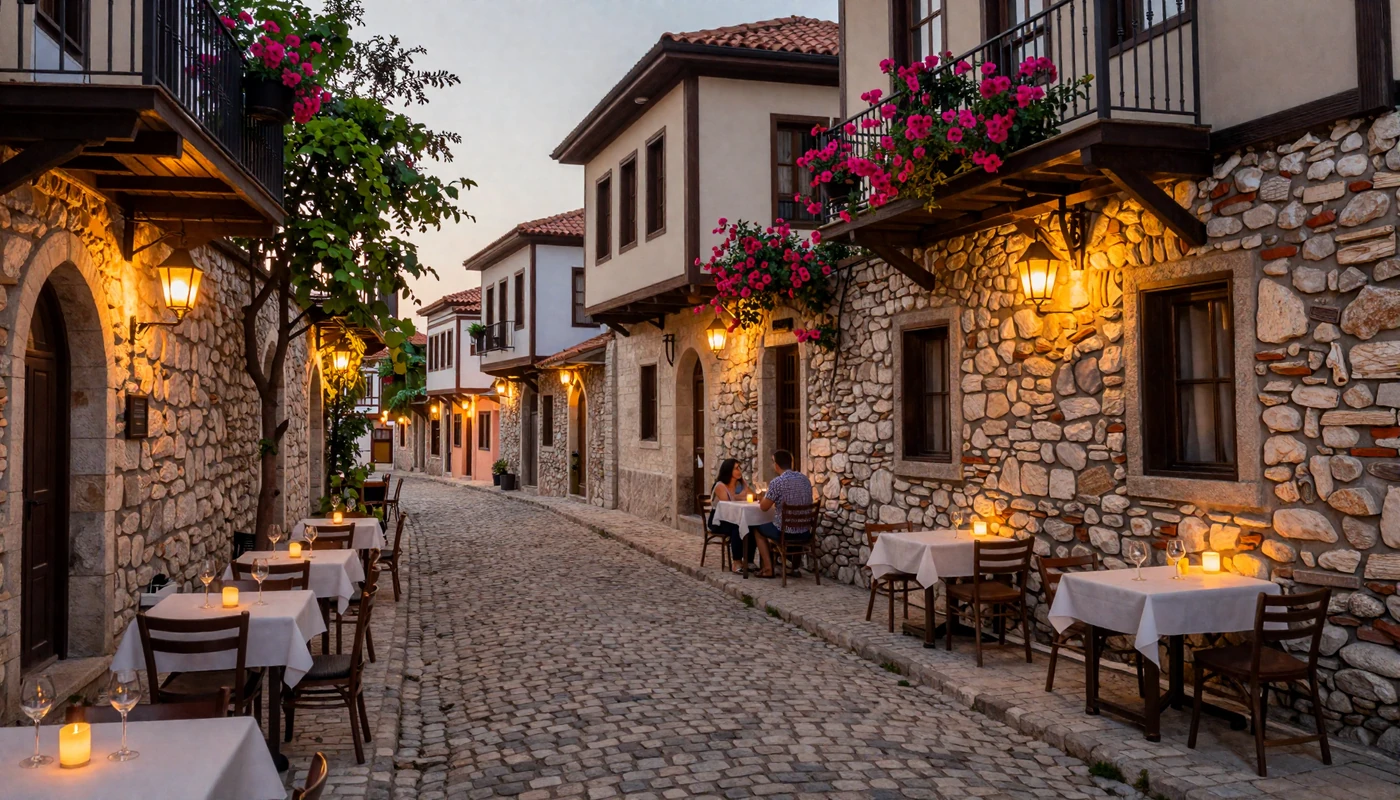
Balkan dating culture operates by a completely different rulebook than what you're used to in the United States. The man always pays. First moves are his responsibility. Family approval isn't optional - it's the gateway to a serious relationship. If you approach Balkan women dating with an American dating mindset, you'll stumble. Approach it with cultural awareness, and you'll discover a romantic tradition built on respect, honesty, and deep commitment.
The Balkan Peninsula - spanning Albania, Serbia, Bosnia and Herzegovina, Croatia, Slovenia, North Macedonia, and Montenegro - sits at the crossroads of Mediterranean, Slavic, and Ottoman influences. This rich cultural tapestry creates dating customs that feel charmingly old-school by American standards yet remain deeply meaningful to the women who live by them. Understanding these customs isn't just polite - it's the difference between winning her heart and losing her attention entirely.
This guide breaks down the essential Balkan dating customs country by country, covering who pays, how courtship unfolds, what role religion plays, and what gifts actually impress. Whether you're chatting with a woman from Belgrade or planning a first date in Zagreb, these insights will set you apart from every other foreign man who didn't bother to learn.
Dating Customs Across the Balkans at a Glance
Every Balkan nation shares a foundation of traditional courtship values, but the details differ in fascinating ways. The table below compares the six most important dating customs across all seven nations - use it as your quick reference guide before connecting with any Balkan woman online.
| Custom | Albania | Serbia | Bosnia | Croatia | Slovenia | N. Macedonia | Montenegro |
|---|---|---|---|---|---|---|---|
| Who Pays | Man always | Man always | Man always | Never go Dutch | Man usually | Man always | Man always |
| First Move | Man initiates | Man initiates | Man initiates | Man initiates | Either, slowly | Man initiates | Man leads |
| Family Role | Very high | High | Very high | High | Moderate | Very high | Very high |
| PDA Norms | Conservative | Moderate | Conservative | Moderate | Liberal | Conservative | Moderate |
| Courtship Pace | Slow, formal | Moderate | Relaxed | Moderate | Slow, reserved | Slow, formal | Patient, multi-date |
| Gift Custom | Flowers, sweets | Flowers, wine | Coffee rituals | Flowers, wine | Outdoor plans | Homemade treats | Flowers, jewelry |
As you can see, the Balkans share a masculine-led courtship model, but each nation adds its own flavor. The Mediterranean and Ottoman influences are strongest in Albania, Bosnia, and North Macedonia, where conservatism around public affection and family involvement runs deepest. Croatia and Slovenia lean slightly more Western European, though traditional values remain the backbone of dating culture.
Navigating Balkan Romance: Country by Country
The Man Always Pays - No Exceptions
Across every Balkan nation, splitting the bill on a date is a social taboo. In Serbia, there's no discussion about it - the man pays for dinner, drinks, coffee, and the taxi home. Serbian dating customs hold strong to chivalry: opening doors, pulling out chairs, and ensuring your date arrives home safely are all expected behaviors that stem from deeply defined gender roles.
In Croatia, the rule is even more explicit. The concept of going Dutch is practically insulting. Croatian women won't reach for their wallet, and if you suggest splitting, you've likely killed any romantic potential on the spot. This isn't about materialism - it's about respect. When a Croatian woman lets you pay, she's acknowledging your effort and interest. It's a cultural handshake, not a financial transaction.
- Serbia & Montenegro: Pay without hesitation - chivalry is still the standard
- Croatia: Never suggest going Dutch; it signals disinterest
- Albania & N. Macedonia: The man pays as part of formal courtship expectations
- Bosnia: Man pays, though the atmosphere is relaxed and easy-going
- Slovenia: Man typically pays on early dates; later, a balanced dynamic can develop
Family Approval Is Not Optional
If you've dated in America, you might introduce your partner to your parents after several months - if at all. In the Balkans, family is embedded in the dating process from early on. Bosnian women will often discuss a potential partner with their mothers and sisters before a second date. In North Macedonia, extended family members may weigh in on whether a suitor is suitable, particularly in more traditional households where multiple generations live under one roof.
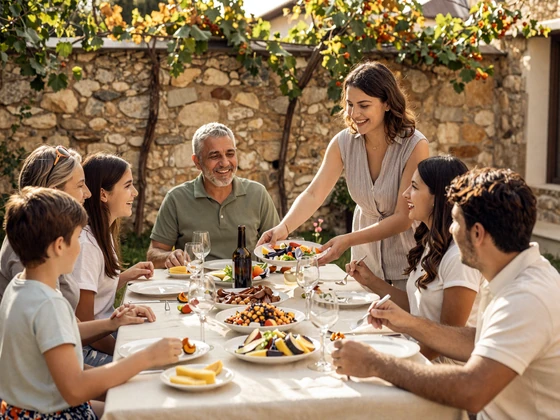
Albanian culture takes family involvement to another level. The concept of besa - an unbreakable code of honor - means that winning the family's trust is inseparable from winning the woman's heart. A man who disrespects her family, even unintentionally, violates a deeply personal cultural code. The takeaway? When she mentions her family early in conversation, that's not a red flag - it's an invitation to show you're serious.
Patience Is the Currency of Courtship
American dating apps train men to expect instant connection - match, message, meet, decide. Balkan dating customs move at a deliberately slower pace. In Montenegro, women expect patience across multiple dates before opening up emotionally. A first date is an audition; a second date is a conversation; a third date is where real connection begins.
Serbian women follow a similar pattern. While they may appear reserved initially, once trust is built - and they need to see consistent effort - they become deeply emotional and devoted partners. Basic etiquette applies: dress well (ditch the sweats), smell good, and don't be excessively late. Serbs aren't known for strict punctuality themselves, but making your date wait signals disrespect.
Religion Shapes Romance, but Doesn't Dictate It
The Balkans are one of Europe's most religiously diverse regions. Serbia and Montenegro are predominantly Orthodox Christian. Croatia and Slovenia lean Catholic. Bosnia is a mosaic of Islam, Orthodoxy, and Catholicism coexisting in the same neighborhoods. Albania has a Muslim majority alongside significant Christian communities. North Macedonia blends Orthodox tradition with Ottoman-era Islamic heritage.
Religion influences dating customs - Orthodox and Catholic holidays are family events where partners are expected to participate, and Bosnian Muslim families may observe Ramadan traditions. However, the younger, urban generation across all Balkan nations tends toward secular attitudes in daily life, even while respecting religious traditions as cultural markers. An American man doesn't need to convert, but he should respect her family's faith practices and show genuine interest in learning about them.
Public Affection: Read the Room
PDA norms vary significantly across the Balkans. In Ljubljana, Slovenia, couples hold hands openly and kiss goodbye at tram stops - it's relaxed and Western-feeling. In Tirana, Albania, or Skopje, North Macedonia, open displays of affection are far more conservative, especially in traditional neighborhoods. Holding hands is acceptable nearly everywhere, but anything beyond that should be saved for private settings in more conservative nations.
Croatia and Serbia fall in the middle. In Zagreb or Belgrade, young couples are openly affectionate in urban areas, but rural and older communities still expect restraint. The safest approach? Follow her lead. If she reaches for your hand, reciprocate. If she keeps physical distance in public, respect it - her warmth will emerge in private.
Gift-Giving: Thoughtfulness Over Price Tags
Forget expensive jewelry on a first date - Balkan women value thoughtfulness over extravagance. Flowers are universally appreciated, but avoid even numbers (associated with funerals in Slavic cultures) and choose an odd-number bouquet. In Bosnia, inviting her for traditional Bosnian coffee (bosanska kafa) in a copper džezva carries more romantic weight than a fancy dinner. In Croatia, a good bottle of local wine shows cultural awareness. In Slovenia, suggesting an outdoor adventure like hiking to Lake Bled resonates with her adventurous spirit far more than a store-bought gift.
- Universal: Odd-number flower bouquets - roses, tulips, or wildflowers
- Serbia: A bottle of quality wine or rakija when meeting the family
- Bosnia: Traditional coffee invitations or handmade sweets
- Croatia: Local wine paired with a creative date idea
- Slovenia: Outdoor adventure plans beat material gifts every time
- Albania & N. Macedonia: Sweets and treats for the family show respect
- Montenegro: Flowers and a genuine compliment go a long way
Embrace the Balkan Way of Love
Balkan dating culture rewards the men who show up with genuine respect, patience, and cultural curiosity. It's a world where chivalry isn't dead, family bonds strengthen rather than complicate romance, and women expect - and return - deep commitment. The customs may feel unfamiliar at first, but they exist for a reason: they filter out men who aren't serious and embrace those who are.
Whether you're drawn to the passionate intensity of Croatian women, the warm directness of Bosnian women, or the quiet strength of Montenegrin women, understanding these customs is your greatest advantage. You won't just avoid cultural missteps - you'll demonstrate the kind of respect that Balkan women find irresistible.
Your Balkan dating journey starts with knowledge, and it deepens with experience. Explore verified profiles on Balkan Dating, start a conversation, and put these cultural insights into practice. The women of the Balkans are waiting for a man who took the time to understand their world - and now, that man is you.


